

- Thu Mar 11, 2010 8:55 pm
#2451580
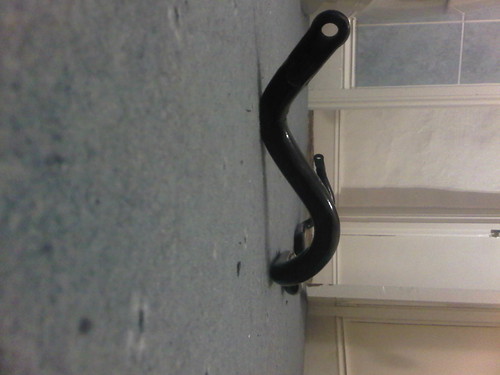
does this arb look right to you, it is a jdm rear, just looks a bit aysymetrical to me. check out the ends seem to be bent differently, wouldn't want to put this on my car in case it fk's my handling up, assuming it will even go on. what do you think.
sorry dont know how to get the pictures to work so just links.
http://www.flickr.com/photos/48282078@N07/4424936789/
http://www.flickr.com/photos/48282078@N07/4425701830/
http://www.flickr.com/photos/48282078@N07/4424936411/
http://www.flickr.com/photos/48282078@N07/4424936209/
http://www.flickr.com/photos/48282078@N07/4424936055/
sorry dont know how to get the pictures to work so just links.
http://www.flickr.com/photos/48282078@N07/4424936789/
http://www.flickr.com/photos/48282078@N07/4425701830/
http://www.flickr.com/photos/48282078@N07/4424936411/
http://www.flickr.com/photos/48282078@N07/4424936209/
http://www.flickr.com/photos/48282078@N07/4424936055/
you can't buy a Mugen-tuned engine or ECU/map for the road, but if you could...




 and just wanted to try and get opinions before i came to you, but i can see this was a bit stupid by doing so on a public forum, will just phone you next time. my bad.